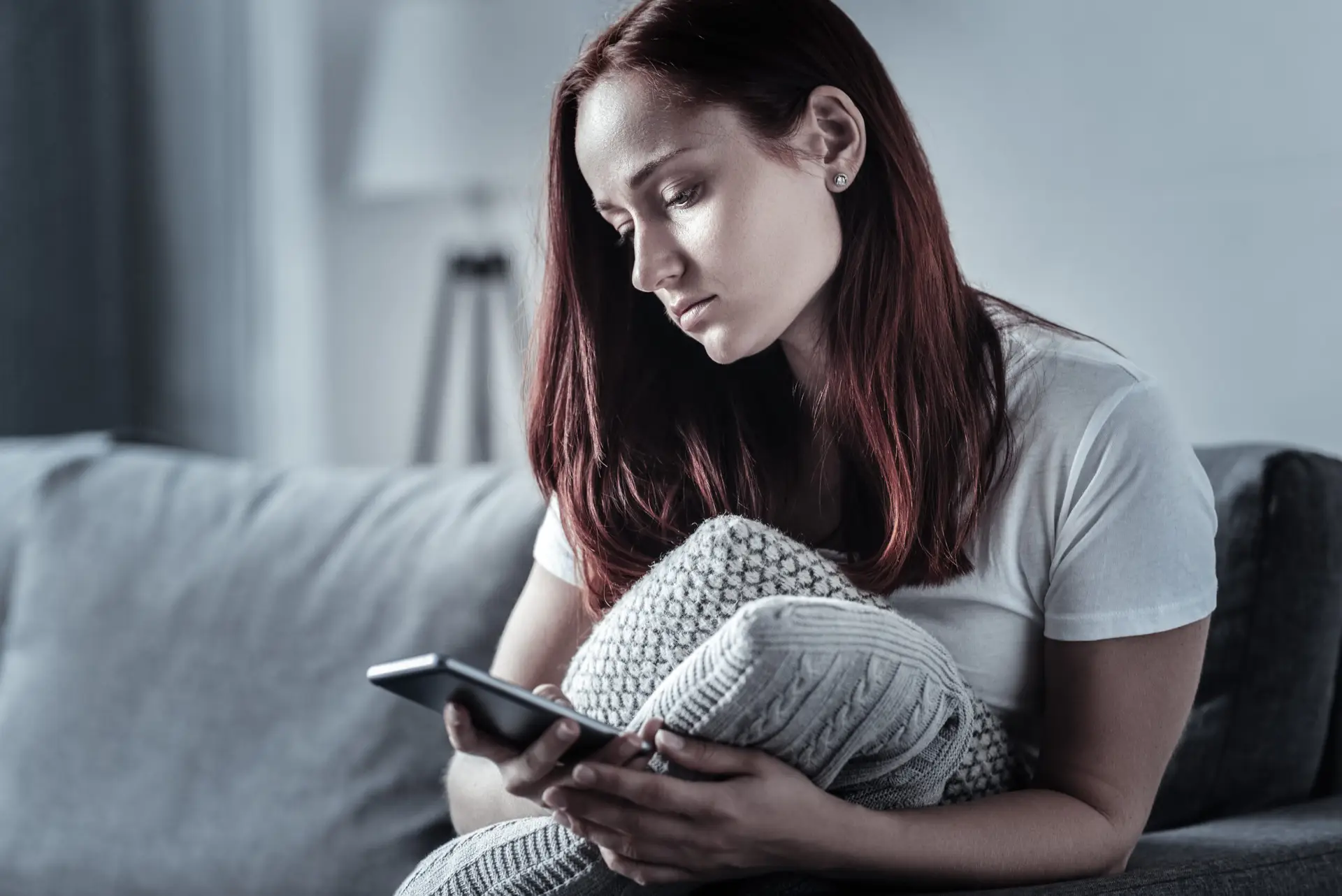
Perhaps you’ve seen one of the many documentaries showing the dark side of social media, such as The Social Dilemma. Perhaps you were shocked that so many people who created the social media companies today regret what they’ve created, in part because of the damage it’s done to people’s mental health.
The clinical research backs it up: Studies have consistently found that frequent social media use is linked to increased levels of anxiety and depression, particularly among teens and young adults. And it’s about more than just the amount of time spent on TikTok or Instagram.
The platforms are designed in a way that causes them to be addictive, activating the brain’s reward system with likes and comments. When users don’t get that feedback, it can leave them feeling inadequate or rejected. The design of social media actually affects brain chemistry, triggering dopamine, a neurotransmitter linked to pleasure and motivation.
With nearly 5 billion users worldwide and daily usage averaging over two hours, social media has become part of the fabric of our daily lives. While it can sometimes be a means of connection, the psychological toll of constant online engagement is clear.
Adolescents are particularly vulnerable. With social media, teens get a front-row seat to their own exclusion. A seventh grader who gets left out of plans can actually watch the activities he or she isn’t a part of unfold in real time on someone’s story.
They also showed increased positive emotions, such as excitement and pride. Interestingly, even students who occasionally exceeded the 30-minute cap still experienced these benefits, suggesting that effort and user awareness may be more important than strict screen time limits.
This contradiction highlights a key finding from researchers: the effects of social media aren’t universally good or bad. They depend on how people use it. While some types of use can support mental wellbeing, many others can cause real harm.
Passive scrolling, especially when used to avoid social interaction, tends to worsen mood. In fact, studies strongly link it to increased depressive symptoms. On the other hand, using social media to enhance existing relationships or share meaningful content may have positive effects, particularly among older adults.
There’s also evidence that more time spent on social media increases the risk of anxiety and depression in a clear dose-response pattern: the more time adolescents spent on the platforms, the more likely they were to experience symptoms.
If you or someone you know is feeling overwhelmed by anxiety, depression, or digital burnout, help is available. At Keta Medical Center, we understand that today’s mental health landscape includes digital life.
We support patients in navigating these modern stressors with evidence-based care. Schedule your free consultation today.
The clinical research backs it up: Studies have consistently found that frequent social media use is linked to increased levels of anxiety and depression, particularly among teens and young adults. And it’s about more than just the amount of time spent on TikTok or Instagram.
The platforms are designed in a way that causes them to be addictive, activating the brain’s reward system with likes and comments. When users don’t get that feedback, it can leave them feeling inadequate or rejected. The design of social media actually affects brain chemistry, triggering dopamine, a neurotransmitter linked to pleasure and motivation.
With nearly 5 billion users worldwide and daily usage averaging over two hours, social media has become part of the fabric of our daily lives. While it can sometimes be a means of connection, the psychological toll of constant online engagement is clear.
The Threat Of Constant Comparison
Scrolling through curated content—vacations, career wins, “perfect” bodies—can distort reality. Social media is often called a “highlight reel,” where users showcase only their best moments. Daily exposure to filtered images and idealized lifestyles can spark self-doubt and lower self-esteem.Adolescents are particularly vulnerable. With social media, teens get a front-row seat to their own exclusion. A seventh grader who gets left out of plans can actually watch the activities he or she isn’t a part of unfold in real time on someone’s story.
Less Social Media Time, Better Mental Health
A study from Iowa State University offered compelling evidence for the benefits of simply reducing social media use. College students who limited their screen time to 30 minutes per day for two weeks reported significantly lower levels of anxiety, depression, and loneliness than a control group. Several participants reported better sleep, improved focus, and stronger in-person connections after reducing their online time.They also showed increased positive emotions, such as excitement and pride. Interestingly, even students who occasionally exceeded the 30-minute cap still experienced these benefits, suggesting that effort and user awareness may be more important than strict screen time limits.
How You Use Social Media Matters
Most Americans believe social media does more harm than good, yet many still report positive feelings while using it. A 2022 poll found that 72% of users felt connected and happy, while 63% believed social media was ultimately harmful.This contradiction highlights a key finding from researchers: the effects of social media aren’t universally good or bad. They depend on how people use it. While some types of use can support mental wellbeing, many others can cause real harm.
Passive scrolling, especially when used to avoid social interaction, tends to worsen mood. In fact, studies strongly link it to increased depressive symptoms. On the other hand, using social media to enhance existing relationships or share meaningful content may have positive effects, particularly among older adults.
There’s also evidence that more time spent on social media increases the risk of anxiety and depression in a clear dose-response pattern: the more time adolescents spent on the platforms, the more likely they were to experience symptoms.
Practical Tips For A Healthier Digital Life
Mental health professionals recommend several strategies to build healthier social media habits, including:- Limiting daily screen time using app settings or timers.
- Curating your feed to avoid triggering or negative content.
- Prioritizing real-world connections through hobbies, exercise, and in-person time.
- Being mindful of how different platforms make you feel.
Supporting Mental Health In The Digital Age
Social media platforms evolve fast, and it’s crucial for both individuals and providers to stay aware of the dynamic, often harmful ways they influence our mental health.If you or someone you know is feeling overwhelmed by anxiety, depression, or digital burnout, help is available. At Keta Medical Center, we understand that today’s mental health landscape includes digital life.
We support patients in navigating these modern stressors with evidence-based care. Schedule your free consultation today.