

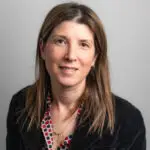
Yonit Malina earned her master's degree in social work from the Hunter School of Social Work and her bachelor's degree in psychology from Barnard College. She has over 25 years of experience providing therapy across clinical, school-based, university, and private practice settings.
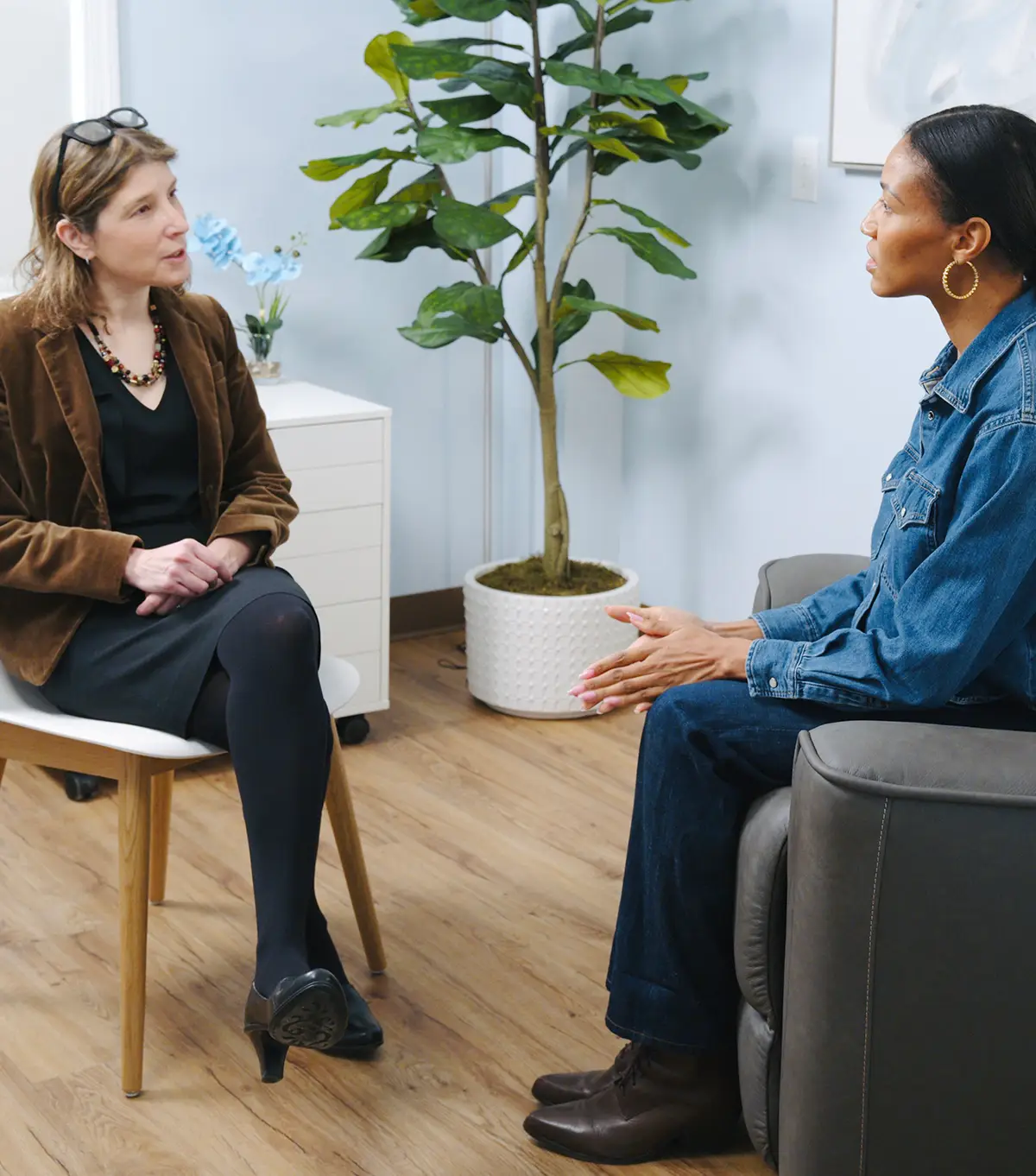
Yonit currently serves as the clinical director of psychotherapy at Keta Medical Center, where she oversees the therapy team and provides ketamine-assisted psychotherapy (KAP) to patients. Her therapeutic approach is strengths-based, empowering individuals to overcome life's challenges and heal from trauma. Yonit draws on a range of therapeutic modalities, including psychodynamic therapy, internal family systems (IFS), and cognitive behavioral therapy (CBT), to tailor treatment to each patient's unique needs.
Yonit's clinical interests include mood disorders, learning disabilities, ADHD, autism spectrum disorder and other developmental disorders, post-traumatic stress disorder (PTSD), grief, and family dynamics.
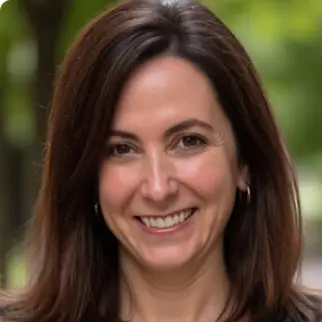
Stacey Blume Frankel has a Master's Degree in social work from UCLA and a bachelor's degree in psychology from the University of Michigan. She has extensive experience working with a wide range of mental health challenges including depression, anxiety, PTSD, addiction, general life transitions, spiritual emergencies and exploring the subconscious mind through dream analysis.
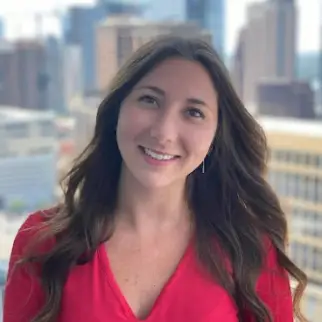

Hillary Eastman earned her master's degree in clinical social work from New York University and bachelor's degrees in psychology and sociology from SUNY New Paltz. She is a highly experienced licensed clinical psychotherapist with expertise in outpatient, inpatient, and residential treatment settings across New York and Texas. Hillary specializes in evidence-based approaches such as cognitive behavioral therapy (CBT), dialectical behavior therapy (DBT), and trauma-informed care, helping individuals, couples, and families navigate anxiety, depression, PTSD, and other life challenges.
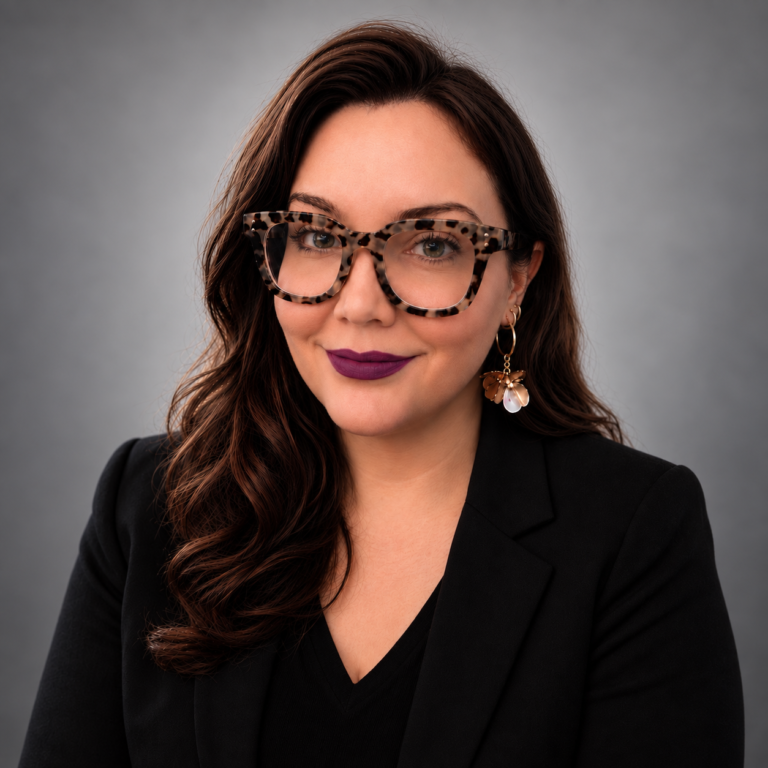
Charlea Muñoz earned her MSW from Fordham University, has an MA in psycholinguistics from the University of North Texas, and a BA in English from The University of Texas at Austin. She is an experienced psychotherapist with a strong foundation in trauma-informed care and eye movement desensitization and reprocessing (EMDR). She has provided psychotherapy and crisis intervention support to clients across nonprofit, private practice, and integrated care settings.


Estefania Molina Bracamonte earned her master's degree in clinical social work from Columbia University and her bachelor's degree in psychology from Long Island University. She provides ketamine-assisted psychotherapy (KAP) and integrates evidence-based approaches including cognitive behavioral therapy (CBT) and eye movement desensitization and reprocessing eye movement desensitization and reprocessing (EMDR). Estefania works with individuals experiencing depression, anxiety, PTSD, and trauma, with a strong commitment to culturally responsive care and supporting diverse communities. A native Venezuelan, she is fluent in both Spanish and English.

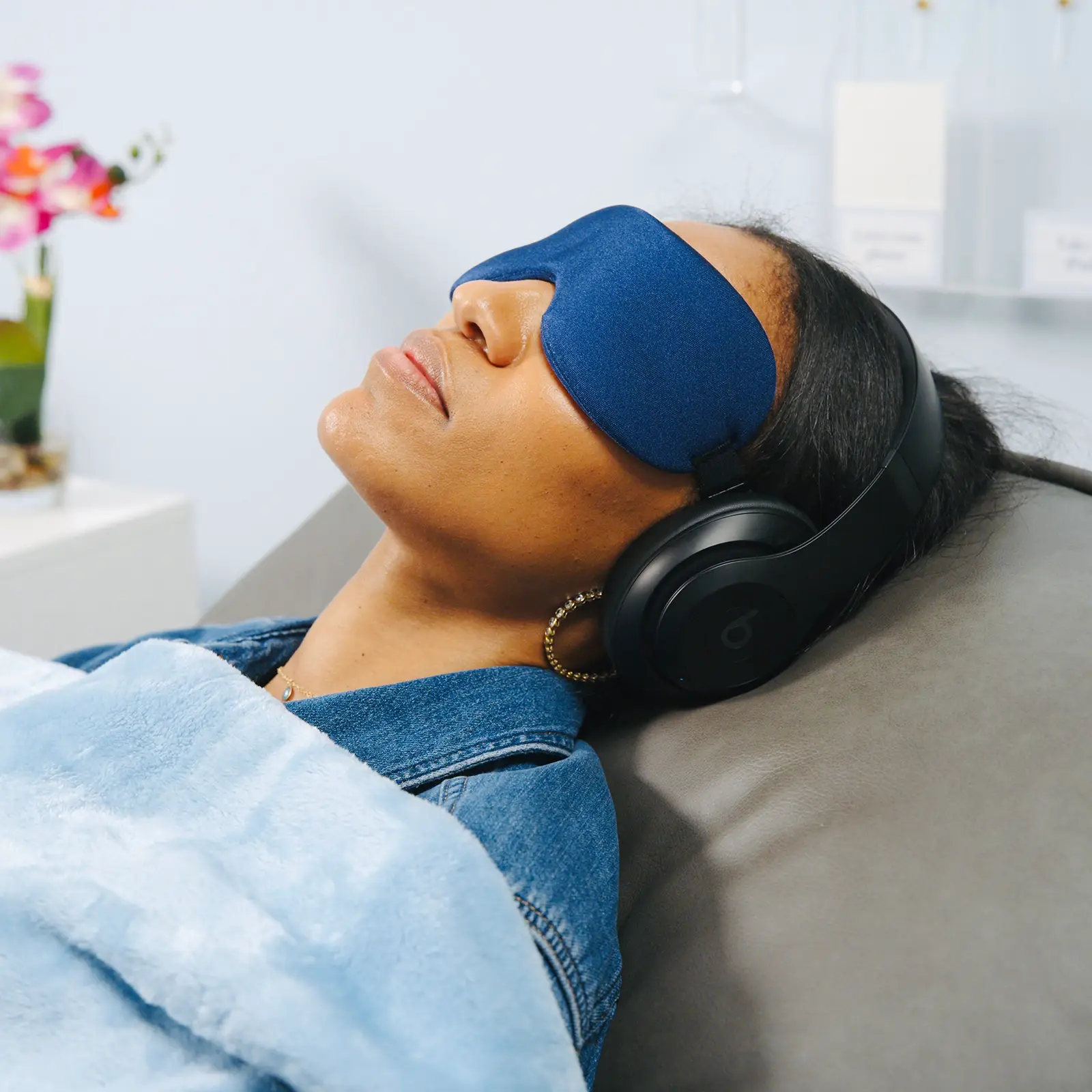
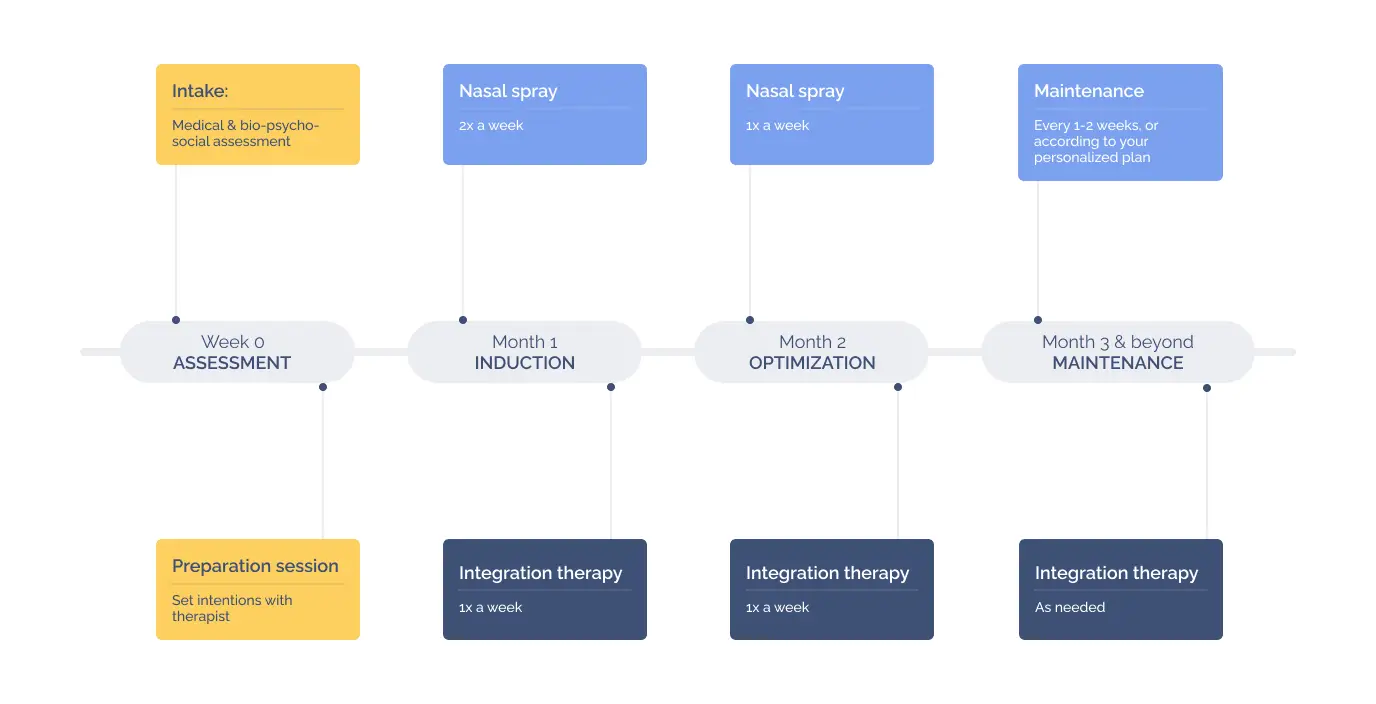
Brittany Cook, LCSW, earned her master's degree in clinical social work from Fordham University and her bachelor's degree from the University of Central Florida. She is a New York-licensed clinical social worker and certified ketamine-assisted psychotherapist (KAP) with over a decade of experience treating trauma, depression, anxiety, substance use, eating disorders, personality disorders, and other complex mental health conditions. Her client-centered, trauma-informed approach integrates evidence-based therapies including internal family systems (IFS), cognitive behavioral therapy (CBT), dialectical behavior therapy (DBT), mindfulness, and motivational interviewing. Brittany guides clients through every stage of the ketamine therapy process-from preparation and intention setting to integration-helping clients turn insights gained during treatment into meaningful, lasting change.
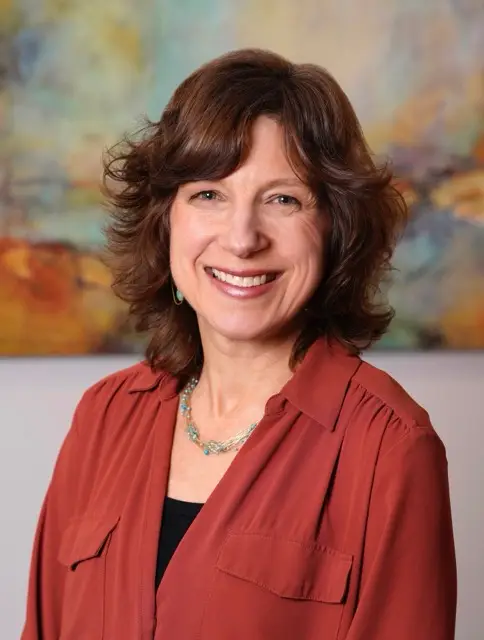
Emily Zelner earned her master's degree in clinical social work from Rutgers University and her bachelor's degree from Brown University. She is a licensed clinical social worker and certified eye movement desensitization and reprocessing (EMDR) clinician with training in internal family systems (IFS) and psychedelic-assisted psychotherapy. Emily has served as a study therapist on multiple psychedelic clinical trials and has worked in both private practice and community mental health. She works with adults navigating depression, anxiety, life transitions, and complex trauma, believing that healing happens through safe, trusting therapeutic relationships.
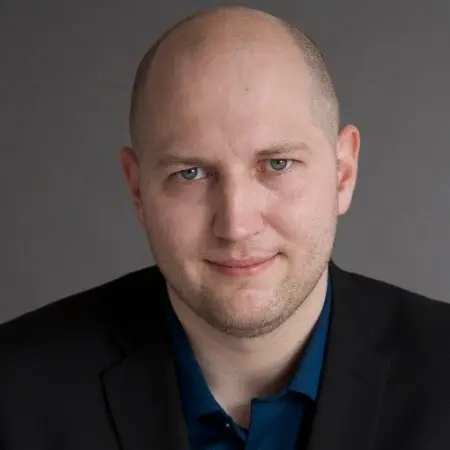
Tyler Parrott is a Licensed Clinical Social Worker and experienced psychotherapist who earned his MSW from Hunter College. He works with adults navigating depression, anxiety, trauma, relationship difficulties, and longstanding patterns that can leave them feeling stuck. Drawing from psychodynamic, psychoanalytic, and other evidence-based approaches, Tyler helps patients prepare for and integrate ketamine experiences, translating emerging insights into meaningful changes in how they understand themselves, relate to others, and approach their lives.

If you need caring, timely support for your Ketamine-assisted psychotherapy treatment, our experienced in-house psychiatrists are here to guide you.

We offer PRISM, a groundbreaking, noninvasive, FDA-approved therapy designed specifically for patients with PTSD.