Not So Merry: Finding Relief from Seasonal Depression with Ketamine Therapy
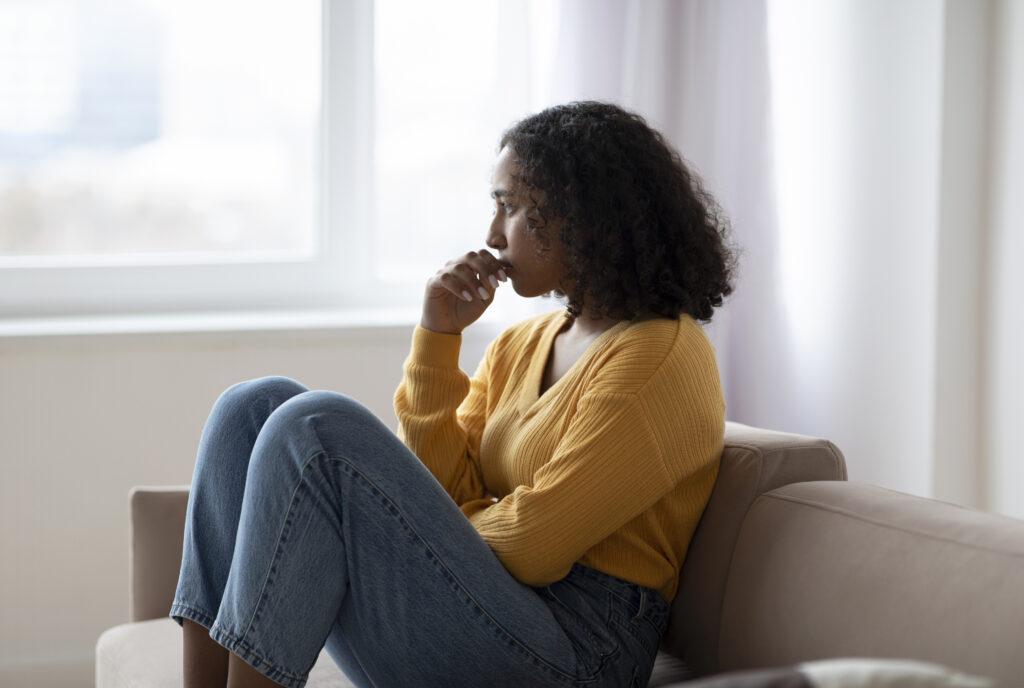
Are you the kind of person who dreads winter? Who dreams of escaping those cold, dark, wet months of the year to some sunny island, or a tropical beach? Do the colder winter months make you feel depressed, hopeless, exhausted, and empty — but you’re fine in the summer? If you’ve suffered from major depressive episodes that coincide with fall and winter for at least two years, it may be more than just wintertime melancholy. You may be experiencing seasonal affective disorder (SAD).
What Is Seasonal Affective Disorder (SAD)?
When golden October fades into gray November and late afternoon starts feeling like nighttime, many people notice subtle changes in energy and mood. However, for those with SAD, these changes are profound, leading to deep despair and sometimes even thoughts of suicide.
SAD is a type of depression that follows a seasonal pattern, most often beginning in late fall or early winter and lifting with the arrival of spring and summer. It’s distinct from the “holiday blues,” which can be triggered by family or financial stressors and usually pass after the holidays. Unlike the temporary stress or sadness some people feel around the holidays, SAD is a clinically recognized, biologically driven depressive disorder. It follows a predictable seasonal pattern, returning year after year as daylight decreases.
Even milder forms, called “subsyndromal SAD” in psychiatry, can cause great distress and deserve attention. These are on the same spectrum as SAD and can progress to more serious depression if untreated. Seasonal depression affects about 5% of the U.S. population each year. That’s around 16.5 million people, and four out of five of them are women.
Do I Suffer From SAD?
We have heard our patients describe SAD as “being completely useless and miserable almost half the year, which is half of my life,” or “I understand the animals who go into hibernation. In winter, I don’t feel like a person. I am just empty and hopeless when it’s dark half the day.” To know if you suffer from SAD, watch out for some of the following symptoms which it shares with major depression:
- Persistent low mood, guilt, or hopelessness
- Loss of interest in activities you once enjoyed
- Fatigue and low energy
- Changes in sleep and appetite
- Difficulty concentrating
Many with SAD also experience oversleeping, carbohydrate cravings, weight gain, and social withdrawal. A licensed professional will be able to diagnose your condition.
Causes of Seasonal Affective Disorder and Winter Depression
While the exact cause of SAD isn’t fully understood, research strongly suggests that reduced sunlight plays a central role by disrupting circadian rhythms and brain chemicals that regulate mood. Less sunlight may:
- Lower serotonin, the brain chemical that regulates mood
- Increase melatonin, the hormone that promotes sleep
- Disrupt the body’s internal clock, making it harder to adjust to shorter days
- Contribute to vitamin D deficiency, which is linked to mood regulation
Lack of daylight can literally throw the brain off balance by disrupting your brain chemicals and leave you sluggish, foggy, and low.
Traditional Treatments for SAD and Winter Depression
Several treatments are available for SAD:
- Light therapy: Sitting near a light box (10,000 lux) for 30 minutes daily can help reset circadian rhythms and improve mood.
- Cognitive behavioral therapy (CBT): A structured therapy program that helps patients challenge negative thoughts about winter and stay engaged in meaningful activities. Studies show that can be as effective as light therapy and more durable over time.
- Antidepressants: Medications such as SSRIs and bupropion can help. Bupropion XL is FDA-approved to prevent SAD when taken ahead of winter.
- Vitamin D supplements: May help in cases of deficiency, though results are mixed.
These treatments help many people, but not everyone finds relief. For people whose SAD does not improve with light therapy, psychotherapy, or antidepressants, newer options like ketamine therapy can offer relief.
Ketamine Therapy for Seasonal Affective Disorder and Treatment-Resistant Depression
At Keta Medical Center, we see the toll seasonal depression can take – not just during Christmas, but in the long, dark months that precede and follow the holidays. We offer ketamine therapy in the form of IV infusions or a nasal spray called Spravato. Ketamine therapy is a science-backed option for individuals who haven’t responded to traditional approaches.
Unlike antidepressants that take weeks to work, ketamine often provides relief within hours or days. By targeting glutamate, the brain’s most abundant neurotransmitter, ketamine helps restore communication between brain cells and supports the growth of new neural connections. This process, known as neuroplasticity, helps the brain heal from the effects of chronic stress and depression.
Patients often report improvements in energy, mood, and clarity of thought soon after treatment. For many, ketamine therapy has helped to break through seasonal cycles of despair.
Finding Your Inner Light This Season
If the winter feels heavy rather than peaceful or joyful, know that countless people quietly face the same struggles you do each season. Seasonal affective disorder affects millions each year, but effective treatments exist. You don’t have to wait for spring to feel better!
At Keta Medical Center, we provide safe, evidence-based, compassionate care based on each of our patient’s individual needs. Your treatment plan may
combine approaches such as CBT, lifestyle strategies, and ketamine therapy. We work closely with you and your therapist to create a path toward lasting relief.
Schedule a free consultation and take the first step to reconnect with your inner light during the cold season.