

For Providers
Flexible weekend and evening hours
212-288-3454

Ketamine for Postpartum Depression (PPD)
As many as 1 in 7 women experience postpartum depression after giving birth. Ketamine therapy can help, so you can focus on and enjoy your new baby.

How Ketamine is Used to Treat Postpartum Depression
A 2024 study revealed that a single low-dose injection of esketamine – a ketamine derivative – immediately after childbirth reduces the risk of postpartum depression in new mothers with prenatal depression by 75%. Other studies have also shown that ketamine could be a promising treatment for PPD.
Breastfeeding and Ketamine Therapy
Though it’s deemed unlikely that low-dose ketamine treatment affects infants of breastfeeding mothers, patients who are breastfeeding should consult with their physician before opting for ketamine therapy.
Postpartum depression can be devastating for new mothers, their babies and their families. Ketamine can offer rapid relief.

What is Postpartum Depression (PPD)?
PPD is a mood disorder that can lead to major depression and other agonizing symptoms in women. Linked to the hormonal shifts that occur in a woman’s body as the result of pregnancy and childbirth, risk factors include a history of depression and mental illness, birth trauma or childhood trauma.
Signs of postpartum depression include:
Difficulty sleeping
Mood swings
Intense feelings of sadness, anger, or worthlessness
Depression and suicidal thoughts
Trouble bonding with your baby
Withdrawing from family and friends
Loss of appetite or eating much more than usual
Overwhelming tiredness or loss of energy
Restlessness
Severe anxiety and panic attacks
Thoughts of harming yourself or your baby
Recurring thoughts of death or suicide
What is Postpartum Depression (PPD)?
PPD is a mood disorder that can lead to major depression and other agonizing symptoms in women. Linked to the hormonal shifts that occur in a woman’s body as the result of pregnancy and childbirth, risk factors include a history of depression and mental illness, birth trauma or childhood trauma.
Signs of postpartum depression include:
- Mood swings
- Depression and suicidal thoughts
- Trouble bonding with your baby
- Withdrawing from family and friends
- Restlessness
- Recurring thoughts of death or suicide
How Is Postpartum Depression Treated?
Typically, a combination of psychotherapy, social support, and antidepressant medications helps ease difficult symptoms like extreme sadness and hopelessness.
In cases of severe PPD, mothers may not respond to conventional treatment. They may struggle to bond with their baby or be unable to experience real joy. In these cases, ketamine may be an option.
The Treatment Process

Schedule a Free Consultation
The first step in our treatment process is a consultation! We’ll take time to understand your personal struggle and determine if ketamine might be a good option.

Begin Treatment
From the moment you step into our clinic, you’ll be welcomed with a friendly smile and a calm environment. After a quick physical exam to confirm your readiness for treatment, our staff will ensure you’re completely comfortable and at ease as we prepare to begin.

During Treatment
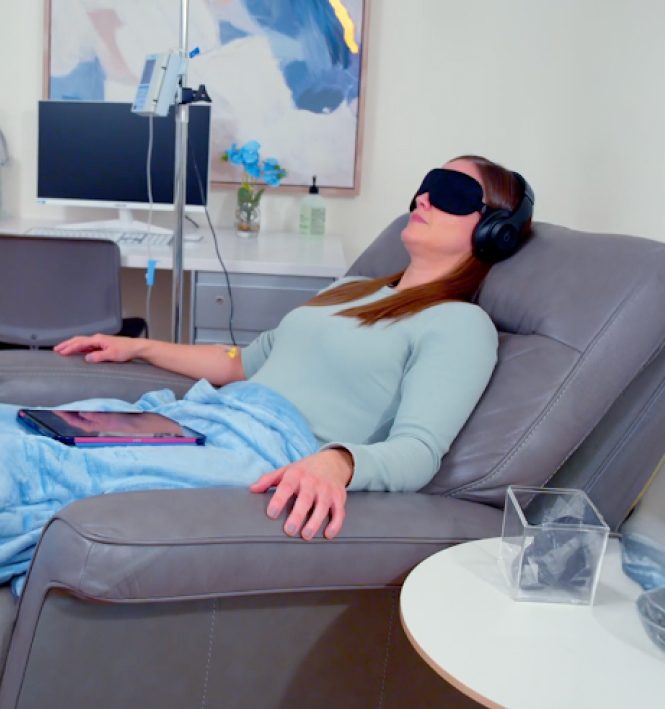
Settle into a cozy reclining chair in a private room. You’ll receive an eye mask, noise-canceling headphones, and playlists for you to select music. The treatment lasts 45 minutes (IV ketamine) or 2 hours (Spravato nasal spray). A physician and nurse are on site to monitor each session.

Regular Sessions
The induction period lasts 3-4 weeks and includes 6-8 sessions. After this, we’ll work together with you and your mental health providers to create a customized maintenance plan just for you.

Rapid Relief for Postpartum Depression
Feel better in just hours to days.
2-4 hours
until most IV ketamine patients report an improvement in their symptoms.
75%
Reduced risk of major depressive episodes with a single low dose of esketamine after childbirth, according to a clinical study.
6.7%
Mothers in the esketamine group experienced major depressive episodes after 42 days, while 25.4% did in the placebo group (in a clinical study).
What Our Patients Say
“Dr. Cheryl Malina and her staff are kind and compassionate. They truly make sure you are comfortable and feeling good before and after your treatment.”
– Caroline A.
“Dr. Malina and the staff make the experience so calming and enjoyable. The treatment is wonderful and I highly recommend it to anyone who is struggling.”
– Meagen P.
“Caring and supportive doctors and nurses.”
– Brooke L.
Research
Below are several studies about the effectiveness of ketamine in treating postpartum depression.

Our Locations
Our Locations
Monday
9:am- 8:pm
Tuesday
9:am- 8:pm
Wednesday
9:am- 8:pm
Thursday
9:am- 8:pm
Friday
9:am- 8:pm
Saturday
9:am- 8:pm
Sunday
9:am- 8:pm
Please note: The availability of treatment sessions may vary by office depending on our clinical team's schedule. Please reach out to us directly for the most up-to-date appointment times.
Open 7 Days A Week
9:am- 8:pm
Care Where You Need It, When You Need It
Open evenings and weekends, with locations across NYC and NJ.
Please note: The availability of treatment sessions may vary by office depending on our clinical team's schedule. Please reach out to us directly for the most up-to-date appointment times.
FAQs
Is ketamine therapy safe?
Yes, when administered under medical supervision by trained physicians, ketamine therapy is safe. At KETA Medical, our team is led by emergency medicine physicians with extensive training, ensuring that every treatment adheres to the highest standards of medical safety.
What are the potential side effects of ketamine therapy?
Side effects may include mild nausea, dizziness, feelings of dissociation, anxiety or increased blood pressure. These typically resolve shortly after the treatment session. Our medical team monitors patients closely to manage any side effects effectively.
What ketamine treatment options for postpartum depression are available at Keta Medical Center?
Keta Medical Center offers 2 types of ketamine-based treatments for postpartum depression — Spravato (Esketamine) nasal spray and Intravenous Ketamine Infusions.
As a physician-led mental health clinic, all sessions are supervised by trained clinicians to manage safety, dosing, and overall comfort. We also offer Ketamine Assisted Psychotherapy (KAP) and integrated psychiatric care to deliver an integrated treatment plan tailored to individual needs.
How quickly can ketamine provide relief for postpartum depression symptoms?
Many patients experience improvement rapidly, with most IV ketamine patients reporting symptom relief within 2–4 hours and clinical benefits often appearing within days. A 2024 study also found that a single low dose of esketamine given after childbirth reduced the risk of postpartum major depressive episodes in mothers with prenatal depression. Individual response varies, so we monitor progress closely and tailor follow-up care.
Can I continue breastfeeding while undergoing ketamine treatment?
The Spravato manufacturing label recommends no breastfeeding. If you feel strongly about breastfeeding and would like to continue breastfeeding, we recommend to pump and dump for 24 hours after the treatment session. Please inform your doctor as well as the infant’s pediatrician for careful infant monitoring.
Additional info: Recent small pharmacokinetic studies of ketamine show that the relative infant dose (RID) of ketamine and its active metabolite norketamine falls below 1%, under the generally accepted safety threshold of 10% for medication compatibility with breastfeeding. However, there is still limited data and additional studies are needed to better characterize ketamine effects, if any, on breastfeeding infants.
How do you determine if I am a good candidate for ketamine therapy after childbirth?
Keta Medical Center evaluates postpartum patients with extra care and coordination. Some factors that will be evaluated are:
- Your symptoms: postpartum depression, anxiety, or PTSD that hasn’t improved with standard treatment or psychotherapy
- Your medical stability: blood pressure, heart health, and any pregnancy- or birth-related complications
- Your medications: to check for interactions
- Breastfeeding status: to discuss safety considerations and timing
- Support and logistics: ability to attend in-clinic sessions and arrange safe transportation
If ketamine is safe, appropriate, and aligned with your mental health goals, we will work with you and your care team to determine the best treatment approach.
Can ketamine therapy also support fathers experiencing postpartum depression?
Yes. Fathers can experience paternal postpartum depression (PPND), and ketamine therapy may help when anxiety or depression symptoms are significant or haven’t improved with traditional treatments. Because ketamine can work quickly to reduce depression and anxiety, it may offer meaningful support for fathers struggling with mood changes, overwhelm, or emotional distress after a baby is born.
Is ketamine treatment for postpartum depression covered by insurance?
The overwhelming majority of Keta Medical Center’s patients are covered by insurance and pay $50 or less per treatment.
Insurance coverage for postpartum depression depends on the type of ketamine treatment you receive:
- Spravato® (Esketamine) is FDA-approved and many insurance providers will cover it for postpartum depression. Keta Medical Center will work with your insurer to complete the required prior authorization and provide documentation of your treatment history.
- IV Ketamine is considered an off-label treatment, so most insurance plans do not cover it. Therefore, it is typically an out-of-pocket service. Superbills for patients to submit to insurance providers are available.
Keta Medical Center’s team can help you review your benefits, understand your coverage options, and determine the best financing plan to suit your needs and budget. Unsure? Schedule a consultation and we can help clarify.
Stay Updated

Postpartum depression affects 1 in 7 mothers, yet most never receive effective care - learn how ketamine therapy offers fast, science-backed relief when traditional treatments fall short.

Unlock the full power of ketamine therapy.